
Cybersecurity Gaps in Modern Education
The recent cybersecurity breach involving the Canvas Learning Management System has once again exposed a harsh reality for schools, colleges, and universities worldwide: modern education infrastructure is only as secure as its weakest digital dependency.
Thousands of institutions using Canvas — including Duke University, Wake County Public Schools, and universities across the U.S. and Australia — are now scrambling to assess the impact of a breach allegedly linked to the hacker group ShinyHunters.
Ready to begin your IT spring cleaning?. Contact us at: hello@taas1.com.
While investigations are still ongoing, reports suggest exposed data may include:
- Student and staff names
- Email addresses
- Student IDs
- Internal communications and messages
- Academic platform access information
Thankfully, there is currently no evidence that passwords, financial data, or government identifiers were compromised. But the disruption itself — during final exams and critical academic operations — highlights something bigger than a single attack:
The Real Problem Is Not Just the Breach — It’s the Fragmentation
Educational institutions are operating in increasingly complex cloud ecosystems without unified visibility, governance, and security resilience. Most universities and school systems today rely on dozens — sometimes hundreds — of interconnected SaaS platforms, cloud workloads, APIs, identity providers, and third-party integrations.
The result?
- Disconnected security policies
- Inconsistent identity management
- Limited visibility across environments
- Slow incident detection
- Reactive security operations
- Rising operational complexity
In the Canvas incident, a compromise at a single vendor potentially rippled across thousands of institutions globally.
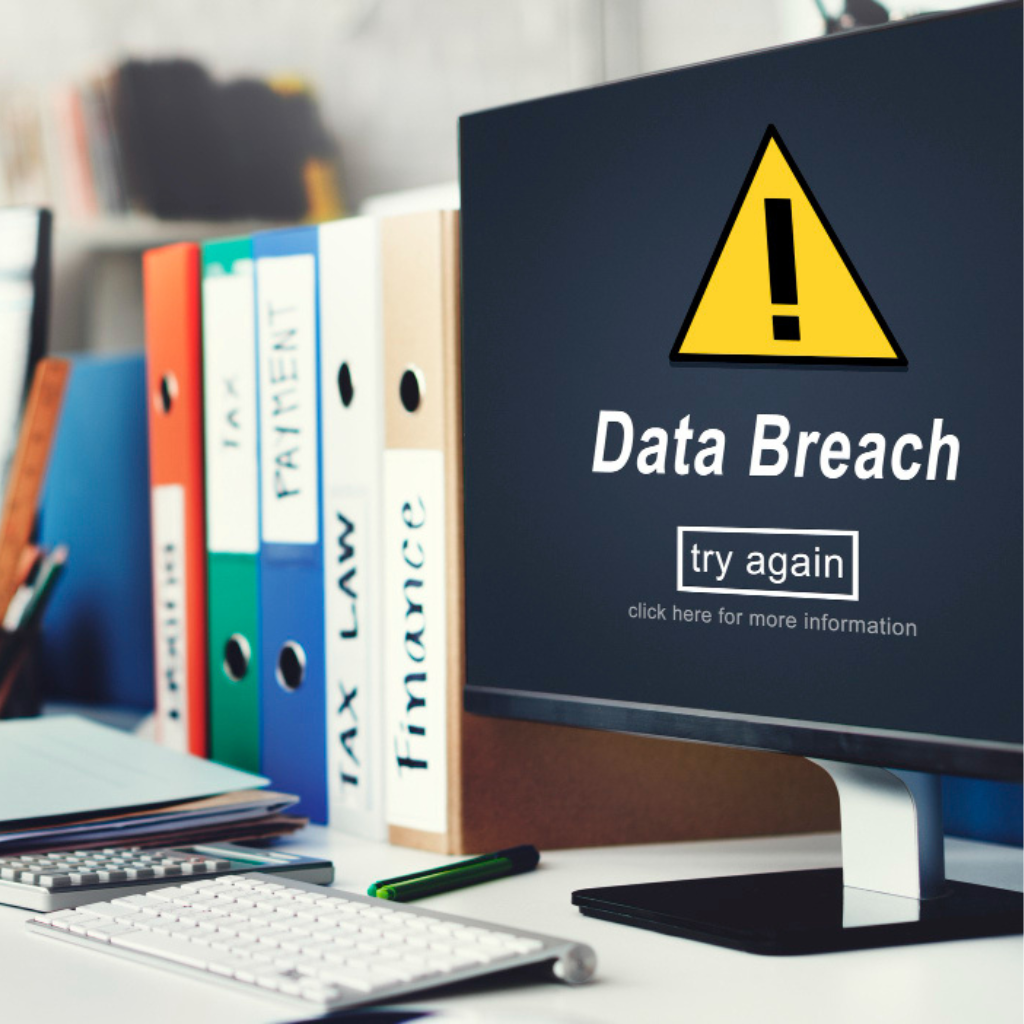

This is the new cybersecurity reality:
One vulnerable cloud service can disrupt an entire digital ecosystem.
How TaaS.com Could Have Helped Mitigate the Risk
At TaaS.com, we help organizations build resilient, secure, and intelligently managed cloud environments that reduce both operational and cybersecurity risk.
Here is how a proactive cloud governance and observability approach could have helped institutions respond faster — and potentially reduce exposure.
1. Unified Visibility Across Cloud and SaaS Environments
One of the biggest challenges during breaches is understanding:
- What systems are affected?
- Which users are exposed?
- What integrations are impacted?
- Where does sensitive data reside?
TaaS.com enables centralized visibility across complex multi-cloud and SaaS ecosystems, helping IT and security teams quickly assess blast radius and prioritize response actions.
Stronger Identity and Access Governance
Cybercriminal groups increasingly exploit weak identity controls, excessive privileges, and poorly monitored third-party access.
A modern cloud operations strategy requires:
- Continuous privilege monitoring
- MFA enforcement
- Access anomaly detection
- Identity lifecycle management
- API and token governance
TaaS.com helps organizations strengthen identity security posture across distributed cloud environments — a critical capability when third-party platforms are compromised.
3. Faster Threat Detection and Incident Response
In many large institutions, detecting abnormal behavior across fragmented environments can take hours or even days.
During the Canvas breach, institutions had to rapidly disable systems, investigate exposure, notify users, and implement emergency safeguards.

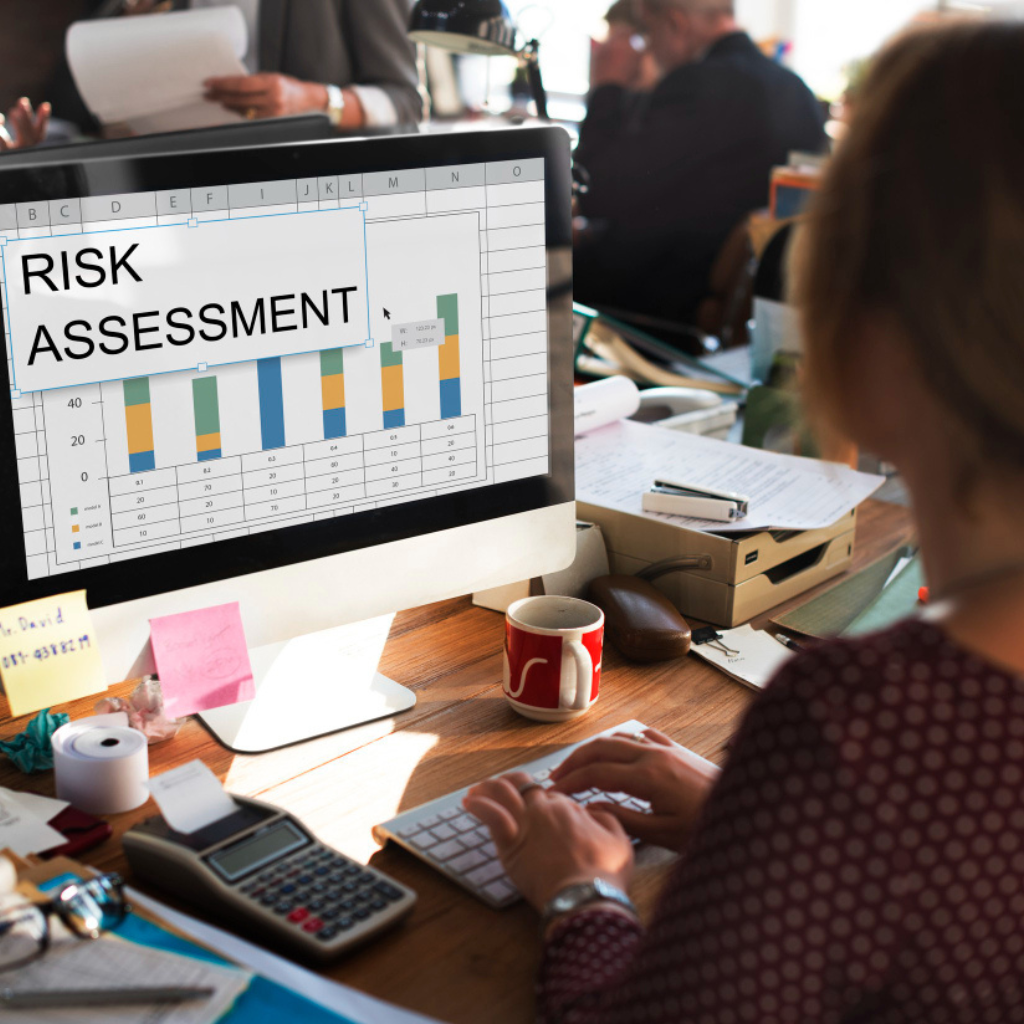
With AI-driven observability and centralized operational intelligence, TaaS.com helps organizations:
- Detect anomalies faster
- Correlate events across systems
- Reduce incident response time
- Improve operational continuity during disruptions.
Reduced Dependency Risk Through Better Cloud Governance
Educational institutions often inherit technology sprawl over years of digital transformation.
Without governance, this creates:
- Shadow IT
- Unmanaged integrations
- Security blind spots
- Compliance gaps
- Operational inefficiencies
TaaS.com helps enterprises and institutions create standardized, governed cloud environments that reduce third-party dependency risk and improve resilience.
Cybersecurity Is Now an Operational Priority — Not Just an IT Function
The Canvas incident is not isolated.
Over the last two years, educational institutions have increasingly become targets for ransomware groups and cybercriminal organizations because they manage massive volumes of sensitive data while often operating with constrained IT resources.
What is changing is the scale of impact.
A single cloud platform disruption can now affect:
- Learning continuity
- Student trust
- Faculty operations
- Regulatory compliance
- Institutional reputation
This is why organizations need more than reactive cybersecurity tools.
They need:
- Continuous cloud visibility
- Intelligent operations management
- Governance automation
- AI-driven monitoring
- Resilient infrastructure strategies

The Future of Secure Digital Education Requires Proactive Cloud Operations
As educational institutions continue accelerating digital transformation, resilience can no longer be optional.
The question is no longer: “Will a cyber incident happen?”
The real question is: “How quickly can your organization detect, contain, and recover from it?”
At TaaS.com, we help organizations simplify cloud complexity, strengthen operational resilience, and build secure digital ecosystems designed for the realities of modern cyber threats.
Because in today’s cloud-first world, proactive operations management is one of the strongest cybersecurity defences an organization can have.
Source:
https://abc11.com/post/canvas-data-breach-nc-schools-universities-lookout-potential-effects-wake-duke-university-notified/19058149/#:~:text=Thursday%20afternoon%2C%20the%20school%20sent,they%20have%20access%20is%20leaked.